
How Do You Take Care Of A Classic Car
Owning a classic car is not just about driving a beautiful vehicle. It is about taking care of something special so it stays in good condition for a long time. With the right care, maintenance and attention, classic cars can run well for many years and bring a lot of joy every time you turn the key and start the engine. Below are some simple but important tips to help you protect your classic car, whether it is on the road, in your garage or in storage.
Storing your Classic Car
There are several reasons why you might want to store your classic car. It might be that the winter months are approaching, the weather is turning wet, or you simply know you will not have much time for driving for a couple of months. You can choose to store your car at home in a garage or house outbuilding, or you can use a specialist company that offers full vehicle storage. Whatever you decide, make sure that your storage space is safe, dry and suitable.
If you plan to store your classic for a long time, preparation is the best way to prevent problems. A little work at the start will save you from having to fix damage later. Proper storage helps to stop rust, corrosion, mould and other issues that can shorten the life of your classic car.
Your Car's condition before storage
They must be clean, dry and damp-free before parking your vehicle, as any moisture in the air could cause corrosion or mould.
You will need to make sure your car is completely free from dirt, salt and moisture. Give your car a thoroughly good clean, inside and out, wax and polish the bodywork, change the oil, filter and coolant, charge the battery.
Protecting Terminals
Coating any terminals with petroleum jelly will help protect them from corroding or from seizing.
outdoor storage
Cars left outside, however, are virtually impossible to protect from the elements. Temperature and humidity changes can cause condensation, while wind can cause the cover to rub - so make sure you wrap your car tightly in outdoor protection.
A purpose-made cover is always best. You should never use polythene or tarpaulin; these materials will not allow your car to breathe.
indoor storage
If you are storing your classic car at home, it is best to store it in either a wooden or brick-built facility. To protect your investment check that all locks are secure on your storage facility.
Concrete garages can sweat in cold conditions. You can rectify this by covering your vehicle in a tent and letting fans circulate the air. However, you should turn them on once a week.
Preparing Your Car Before Storage
The condition of your car before storage is very important. The first thing to do is clean it properly and make sure it is completely dry. Any dirt, grime, salt or moisture left on the body or underneath the vehicle can lead to corrosion and rust while it is standing still.
Wash the car carefully, including the wheels and underbody, then dry it with soft materials so you do not mark the paintwork. A good wash, followed by a quality wax, will add an extra layer of protection against the elements. Many products are designed for classic car paintwork, and using the recommended ones will help keep the finish in good condition for longer.
Before you store the car, check and, if needed, change the oil and filter. Old oil can hold dirt and small particles that may harm the engine if it sits for months at a time. Check all fluids such as coolant, brake fluid, and gearbox oil, and top them up as required. Keeping your fluids fresh will help prevent internal corrosion and other hidden damage.
Charge the battery fully before storage and consider using a battery conditioner. This will help maintain the charge over a long period and prevent the battery from going flat. Some owners choose to disconnect the battery terminals. If you do this, a light coat of petroleum jelly on the terminals can prevent corrosion and make it easier to reconnect them when you are ready to run the car again.
Outdoor Storage
If you have to store your classic car outside, you will need to pay extra attention to protection from the weather. Cars left outdoors are exposed to rain, frost, wind and changing temperatures. These elements can allow condensation to build up, which may cause corrosion in hidden areas.
A purpose-made breathable cover is the best way to protect your car in outdoor storage. Make sure the cover fits well so it does not flap and rub the paintwork. You should not use polythene sheets or a tarpaulin, because these materials trap moisture and can speed up rust and mould. When the cover is off, try to keep the vehicle on a solid, dry surface so the underside stays as dry as possible.
cleaning
You must keep your vehicle clean and free from dirt and dust.
After every drive, it is essential to hose down the undercarriage of your car; this is where salt and road dirt can cause corrosion of untreated metal surfaces.
Wax and clean your car regularly, especially before you go on journeys, this will help protect your classic car from the elements, reapplying wax every few months will also protect your car from dirt and the weather.
necessary checks by you
Carry out necessary checks on your classic vehicle before each drive, check the tyre pressures, oil, coolant, battery levels and other fluids.
Take your classic car for regular runs; it will help prevent all parts free from seizing and the engine running correctly.
The only noise you should hear is the sound of your engine if you pump your breaks every time you can or feel the need to do so. One thing you never want to hear is the squealing of your brakes.
maintenance
Have your classic car serviced regularly. Most vintage car owners have a vast knowledge of how to maintain and care for their vehicles; however, get a regular service by a qualified mechanic is vital. It will give you peace of mind that anything you might have overlooked will be repaired or adjusted.
If the car is MOT exempt, then it is essential to check the tyres, suspension, brakes and steering.
keeping it original
Keep your car as original as possible to maintain its value. While modern fixtures and upgrades are considered acceptable, you should always keep your classic cars original parts. If you decide to sell your car, it will give the next enthusiast the chance to convert the car back to its original state.
Indoor Storage
Indoor storage is usually the best way to look after classic cars, as long as the space is suitable. A wooden or brick-built garage is often better than a bare concrete box. Concrete garages can hold damp and “sweat” in cold weather, which may increase the risk of corrosion and rust. If your garage has a concrete floor and walls, you can place breathable covers or special flooring under the car and use gentle air circulation to keep the space dry. Simple fans that you run for a short time each week can help. Always make sure the garage is secure, with good locks and, if possible, an alarm, as classics are valuable and often at risk of theft.
Some owners choose professional storage. A good storage facility will offer secure buildings, stable temperatures, regular checks, battery conditioning and a monthly run of the car to working temperature. This kind of storage can be a good option if you do not have the space at home or if your own garage is damp.
Care and Maintenance
Proper care and maintenance are crucial for any classic car. Taking care of small things regularly is the best way to prevent big problems later. Even if the car only covers a small number of miles each year, you still need to maintain it.
You should keep the vehicle clean, inside and out. After every drive, especially in winter or in wet weather, hose down the undercarriage to remove salt and road dirt. Salt on the road is one of the main causes of corrosion. Paying attention to the underside, wheel arches and hidden corners will help prevent rust and other damage.
Have your classic car serviced regularly, even if it seems to run well. Many owners enjoy maintaining and fixing their cars themselves, but it is still wise to let a qualified mechanic check the car from time to time. A professional service can find issues that you might miss, such as worn brakes, old tyres or leaking fluids.
If your car is MOT exempt, do not assume this means it does not need checking. It is important to inspect the tyres, suspension, brakes, steering and lights at least once a year. Good tyres and strong brakes are key to safe driving, even at lower speeds.
before you get started
Try to wash your car in the shade, avoid cleaning your car in the sun, it could make the soap evaporate quickly, leaving streaks and spots on the paint.
Protect your tyres from early signs of ageing and tire degradation, apply a reputable tyre conditioner after cleaning them after they have dried completely.
cleaning tools
If you use the wrong tools or products on a classic car, you could potentially damage the delicate paintwork and end up with expensive bills to put it right.
You should have sheepskin or cotton chenille washing mitts or towels to wash the exterior of the car; their soft, high-quality material will not leave any marks on the surface.
cleaning products
It is important to choose the correct cleaning product for classic car paintwork, washing up liquids contain salts; moreover, they contain detergents that are great for cleaning but will also remove the protective polish.
The soap and water will clean your car; however, even after rinsing the salts will set to work and start eating away at your vehicle.
aftercare
After washing your classic car, you will need a soft leather chamois or a soft microfiber towel to dry off your vehicle, don't be tempted to use a regular towel or cloth, these can easily scratch the paintwork of your car.
To keep any chrome parts on your classic car, always use high-quality chrome polish to make sure they stay in top shape and condition.
Daily Checks Before You Drive
Before you start any drive, there are a few basic checks that help keep your car in good condition. Walk around the car and look for leaks or unusual marks on the ground. Check the tyre pressures and look for cracks in the rubber, especially if the car has been standing for a long time. Check the oil level, coolant level and other fluids. Make sure the battery terminals are tight and clean. When you start the engine, listen for strange noises and watch the warning lights. If something feels different, stop and investigate before you continue driving. Small signs of trouble caught early can prevent more serious problems later.
Keeping It Original
Many classic car owners like to keep their cars as original as possible. Original parts and trim often add to the value of classics and help tell the story of the vehicle. It is usually fine to fit a few modern upgrades for safety or reliability, such as improved brakes or an electric fan, but try to keep any original parts you remove.
If you decide to sell the car in the future, the next owner may want to return it to full original condition. If you buy a classic that has already been modified, take time to learn what has been changed. Read any history file, understand the work that has been done and keep records of any new maintenance or upgrades you carry out.

Washing a Classic Car
If you own a classic car, you will want it to look clean and shiny every time you open the garage door. However, washing classics needs a bit more care than washing modern cars. The best way to wash your classic car is by hand, using gentle tools and suitable products.
Do not take the car through a regular machine car wash. The harsh brushes and strong chemicals can cause damage to older paintwork and trim. Instead, wash the car in the shade so the water does not dry too quickly and leave marks. Rinse loose dirt and grime away first, then use soft washing mitts or high-quality microfibre cloths with a proper shampoo that is safe for classic car paint.
Avoid using washing-up liquid, because it contains salts and strong detergents that strip away wax and can attack the paint over time. Choose products that are made for vehicle paintwork. After washing, rinse the car well and use a soft leather chamois or plush microfibre towel to dry it. Do not leave the car to air-dry, as this can cause water spots and may leave dirt marks behind.
Finish with a good wax or sealant to protect the paint from the weather and to make it easier to clean next time. For chrome parts, select a suitable polish and follow the instructions carefully. Using the right materials is important, as harsh cloths or the wrong products can scratch or dull the finish.
Looking After Tyres, Brakes and Suspension
Classic cars may cover fewer miles, but age still affects tyres, brakes and suspension. Rubber parts harden and crack over the years, even if they look fine at first glance. Make sure you check the condition of the tyres regularly and replace them if they are very old, even if the tread looks good. Pay close attention to the brakes. Listen for squealing or grinding noises when you press the pedal and notice if the car pulls to one side. If you feel anything odd, have the system checked. Brake problems can cause serious damage and are a safety risk for you and other cars on the road. Suspension parts also wear over time. If the car feels loose, bouncy or knocks when driving, ask a specialist to inspect it. Fixing these issues will not only keep you safe but will also help maintain the value of your classic.
Regular Driving and Warming the Engine
Classic cars are not happy if they are left standing for months on end. Seals dry out, fluids separate and condensation builds up inside the engine and exhaust. One of the most important things you can do is to drive your classic car regularly.
Try to use the car at least once a month, choosing dry, clear weather when you can. Start the engine and let it idle for a short time, then drive gently until it reaches full working temperature. A short run around the block is not enough. The car needs a proper drive to warm the oil, gearbox and other parts fully. This helps prevent corrosion inside the engine and exhaust and keeps everything moving freely.
After each drive, hose down the undercarriage if you have been on salty or dirty roads. Do not leave salt, mud or dirt sitting on the underside, as this is a common cause of rust. Once the car is back in the garage, let it dry before covering it again.
Preventing Rust and Corrosion
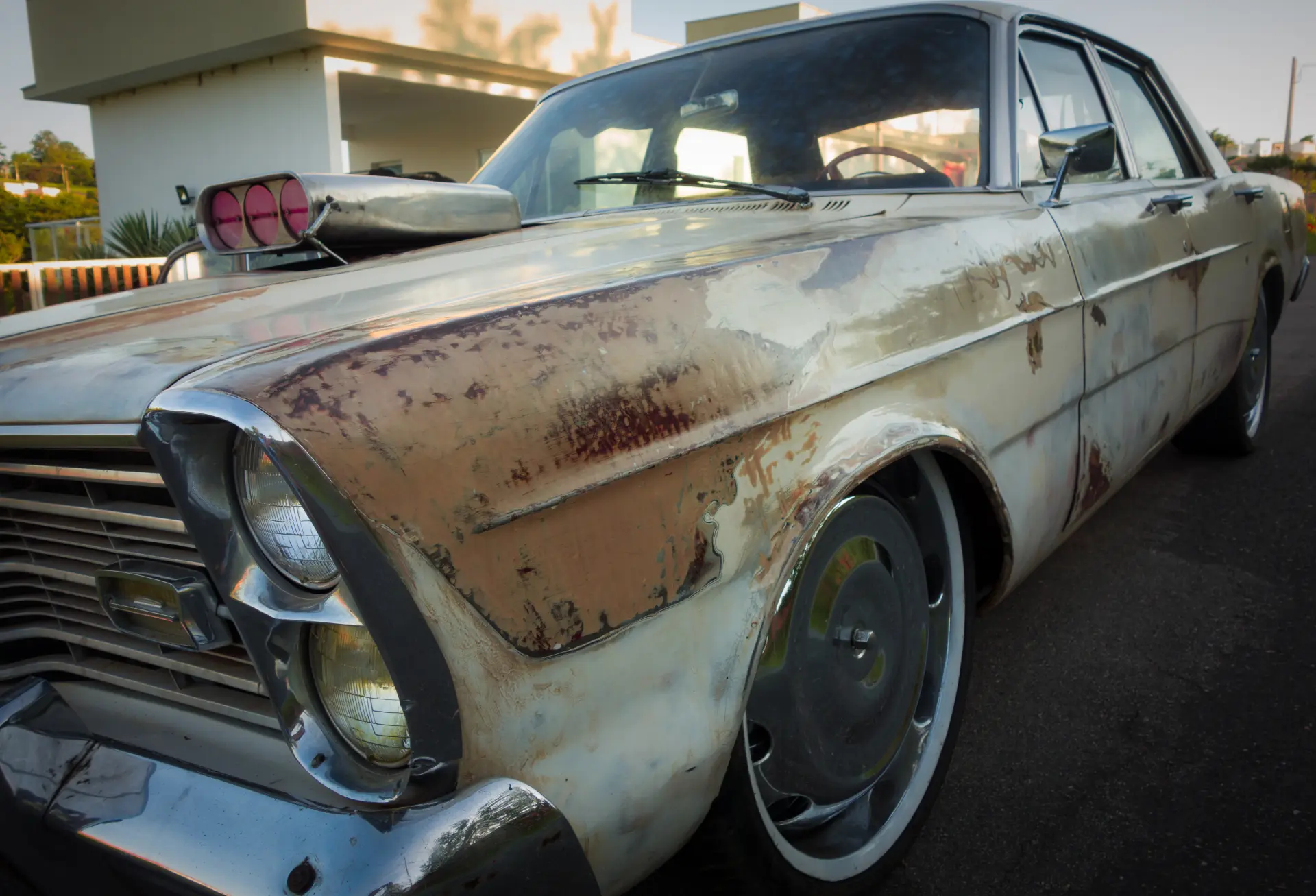
Rust is one of the biggest enemies of classic cars. To prevent corrosion, you need to control moisture and salt as much as possible. Keeping the car in a dry place, washing it properly and waxing the paintwork are all simple but effective steps.
Pay special attention to places where water collects, such as wheel arches, door bottoms and the edges of the boot and bonnet. Clean out drainage holes so water can escape. If you find any small rust spots, fix them early. A small bubble in the paint can grow into a much larger problem if you leave it.
Underbody protection, such as modern wax-based treatments, can help protect the floor, chassis and other key parts from stone chips and road grime. Many owners choose to have their classics professionally treated to add extra protection that can last for a long time.
Choosing the Right Products and Materials
The products you use on your classic car can make a big difference. Always choose cleaning and maintenance products that are safe for older paint and trim. Many makers offer items that are recommended for classics and historic vehicles.
Use soft materials for washing and drying, and avoid rough cloths or old rags. When you work on the interior, test cleaners on a small hidden area first to make sure they do not mark or fade the surface. Take your time and read the labels before applying anything to your car.
Records, Learning and Getting Help
Looking after a classic is a learning process. Take time to read the owner’s handbook and any workshop manual you can find. These will help you understand how your car was designed and show you the correct settings and fluids to use. Keeping notes of all the work you do, including dates and mileage, will help you plan future maintenance and is useful if you ever decide to sell the vehicle.
If you are unsure about something, ask for help from an experienced mechanic or classic car club. There is a lot of knowledge in the classic car community, and many people are happy to share tips and advice. Learning from others will help you avoid mistakes and keep your car in better condition.
Enjoying and Protecting Your Classic Car
At the heart of everything is one simple idea. You care for your classic car because you love it. Taking care of the car, keeping up with maintenance and giving it proper storage and protection will help it stay on the road for many years. Use it, enjoy it and pay attention to the little changes that might show when something is not quite right.
If you choose the right storage, wash and wax the car carefully, maintain the engine and brakes, and protect it from bad weather, you will give your classic the best chance of a long, healthy life. With the right approach, taking care of classic cars is not just work. It is one of the key things that makes owning them so rewarding.
When it comes to classic cars, the experience is priceless. Maidstone Sports Cars provides routine sports car servicing, maintenance and repairs for all classic sports cars. Our expert technicians are well versed in the common issues of these marques, enabling them not only to locate but also resolve issues quickly and effectively. If you require any information or advice regarding our services contact us:
Classic Car Servicing Kent